

Can Orings be used in high - temperature applications?
Jan 14, 2026
As an O-ring supplier, I often receive inquiries from customers about the suitability of O-rings for high-temperature applications. This is a crucial question, as the performance of O-rings under high temperatures can significantly impact the efficiency and safety of various industrial processes. In this blog post, I will delve into the details of whether O-rings can be used in high-temperature applications, exploring different types of O-rings, their temperature limits, and factors to consider.
Understanding O-rings and High-Temperature Environments
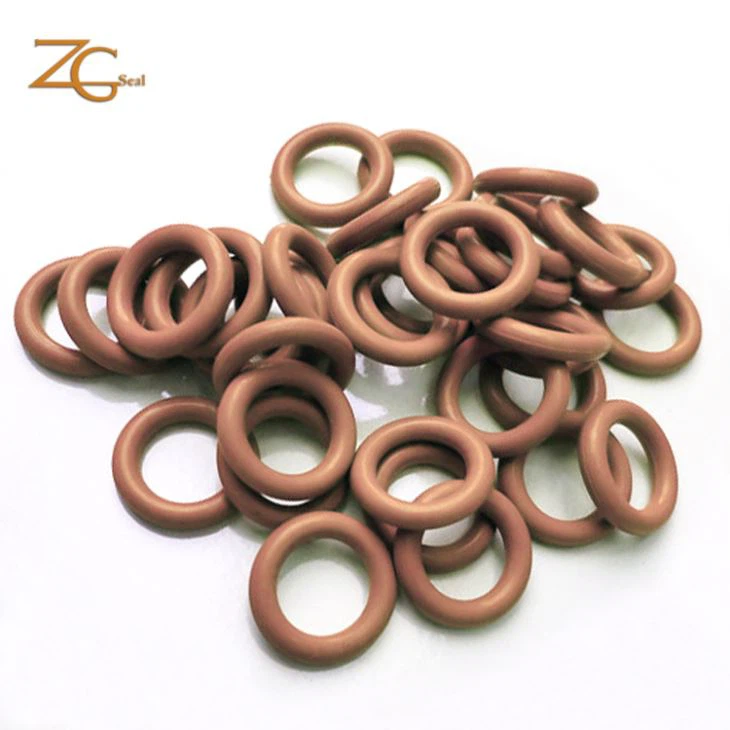
O-rings are simple yet essential sealing components used in a wide range of industries, including automotive, aerospace, and manufacturing. They are designed to prevent the leakage of fluids or gases by creating a tight seal between two mating surfaces. However, high temperatures can pose challenges to the performance of O-rings.
At elevated temperatures, O-rings can experience several issues. The material may start to degrade, losing its elasticity and mechanical properties. This can lead to a loss of sealing effectiveness, resulting in leaks. Additionally, high temperatures can cause the O-ring to expand, which may also affect the seal integrity. Therefore, it is crucial to select the right type of O-ring for high-temperature applications.
Types of O-rings Suitable for High-Temperature Applications
1. Nbr Oring
Nbr Oring is a commonly used O-ring material. Nitrile rubber, or NBR, offers good resistance to oil, fuel, and chemicals. However, its temperature resistance is relatively limited. NBR O-rings can typically withstand temperatures ranging from -40°C to 120°C. While this may be sufficient for some low to moderate temperature applications, it is not suitable for extremely high-temperature environments.
2. Encapsulated Silicone FEP O Ring
Encapsulated Silicone FEP O Ring is an excellent choice for high-temperature applications. These O-rings consist of a silicone core encapsulated in a fluorinated ethylene propylene (FEP) jacket. The silicone core provides excellent flexibility and sealing performance, while the FEP jacket offers superior chemical resistance and high-temperature stability. Encapsulated Silicone FEP O-rings can handle temperatures up to 200°C or even higher, depending on the specific grade.
3. Coating Seal O Ring
Coating Seal O Ring is another option for high-temperature applications. These O-rings are coated with a special material that enhances their performance under extreme conditions. The coating can provide additional protection against heat, chemicals, and wear. Coating Seal O-rings can have a wide range of temperature tolerances, depending on the coating material used. Some coatings can enable the O-rings to withstand temperatures above 300°C.
Factors to Consider When Using O-rings in High-Temperature Applications
1. Temperature Range
The first and most important factor is the temperature range of the application. It is essential to know the maximum and minimum temperatures that the O-ring will be exposed to. This will help in selecting the appropriate O-ring material with the right temperature resistance. For example, if the application involves temperatures above 200°C, an NBR O-ring would not be suitable, and a more high-temperature-resistant option like an Encapsulated Silicone FEP O Ring or a Coating Seal O Ring should be considered.
2. Chemical Compatibility
In addition to temperature, the O-ring must be compatible with the chemicals present in the application. High temperatures can accelerate chemical reactions, and some chemicals may cause the O-ring material to degrade more rapidly. Therefore, it is crucial to ensure that the selected O-ring material is resistant to the specific chemicals in the environment. For instance, if the application involves contact with strong acids or bases, a material with high chemical resistance, such as FEP-coated O-rings, should be chosen.
3. Pressure
The pressure in the application also plays a role in O-ring selection. High pressures can put additional stress on the O-ring, especially at high temperatures. The O-ring material must be able to maintain its sealing performance under the combined effects of temperature and pressure. Some high-temperature O-ring materials may have different pressure ratings, and it is important to choose an O-ring that can withstand the specific pressure conditions of the application.
4. Installation and Maintenance
Proper installation and maintenance are essential for the performance of O-rings in high-temperature applications. During installation, care should be taken to ensure that the O-ring is not damaged or stretched beyond its limits. Additionally, regular inspection and replacement of O-rings are necessary to prevent leaks and ensure the continued operation of the system.
Case Studies
Let's look at a few case studies to illustrate the importance of selecting the right O-rings for high-temperature applications.
Case Study 1: Automotive Engine
In an automotive engine, the temperature can reach high levels, especially in the combustion chamber and around the exhaust system. An engine manufacturer was experiencing frequent leaks in their engine seals due to the use of NBR O-rings. The high temperatures in the engine were causing the NBR material to degrade, resulting in loss of sealing effectiveness. After switching to Encapsulated Silicone FEP O-rings, the leaks were eliminated, and the engine performance improved significantly.
Case Study 2: Chemical Processing Plant
A chemical processing plant was using Coating Seal O-rings in a high-temperature and highly corrosive environment. The O-rings were exposed to temperatures up to 250°C and strong acids. The coating on the O-rings provided excellent protection against the chemicals and heat, ensuring a reliable seal and preventing leaks. This not only improved the safety of the plant but also reduced maintenance costs.
Conclusion
In conclusion, O-rings can be used in high-temperature applications, but it is crucial to select the right type of O-ring based on the specific requirements of the application. Nbr Oring, Encapsulated Silicone FEP O Ring, and Coating Seal O Ring are some of the options available, each with its own temperature resistance and chemical compatibility. Factors such as temperature range, chemical compatibility, pressure, and installation and maintenance should be carefully considered to ensure the optimal performance of O-rings in high-temperature environments.
If you are in need of O-rings for high-temperature applications, I encourage you to contact us for a detailed consultation. Our team of experts can help you select the most suitable O-ring material and provide you with high-quality products that meet your specific requirements. We are committed to providing excellent customer service and ensuring the success of your projects.

References
- "Sealing Technology Handbook" by John A. Schey
- "Elastomers and Rubber Compounding Materials" by B. C. Chakraborty