

What are the requirements for NBR X - Ring in aerospace applications?
May 23, 2025
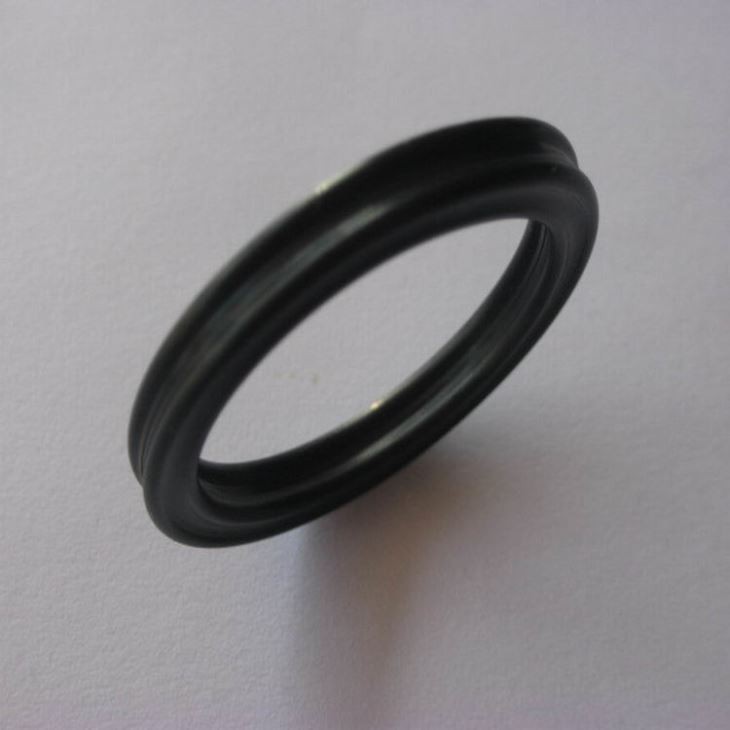
As a supplier of NBR X - Rings, I've been deeply involved in understanding the unique requirements of these essential components in aerospace applications. NBR, or Nitrile Butadiene Rubber, is a synthetic rubber known for its excellent oil resistance, good mechanical properties, and relatively low cost. The X - Ring, a type of sealing ring with an X - shaped cross - section, offers several advantages over traditional O - rings, such as reduced friction, less wear, and better sealing performance.
Chemical Resistance
In aerospace applications, NBR X - Rings are often exposed to a variety of chemicals, including hydraulic fluids, lubricants, and fuels. These fluids can vary widely in their chemical composition, and the NBR X - Rings must be able to withstand the corrosive effects of these substances without significant degradation.

Hydraulic fluids are a critical part of many aerospace systems, such as flight control systems and landing gear. These fluids are typically a mixture of synthetic oils and additives, designed to provide lubrication, corrosion protection, and high - pressure performance. NBR X - Rings used in hydraulic systems must be resistant to swelling, hardening, or softening when in contact with these fluids. A well - formulated NBR compound can maintain its integrity and sealing properties over a wide range of hydraulic fluid types, ensuring the reliable operation of the system.
Fuels, such as jet fuel, are another major concern. Jet fuel is a complex mixture of hydrocarbons, and it can cause rubber materials to swell or dissolve if they are not properly formulated. NBR X - Rings used in fuel systems must have excellent fuel resistance to prevent leaks and ensure the safety of the aircraft. The rubber compound should be selected based on the specific type of fuel used, as different fuels may have different chemical properties. For example, some fuels may contain additives or contaminants that can affect the performance of the NBR X - Ring.
Temperature Resistance
Aerospace applications expose NBR X - Rings to extreme temperature variations. During flight, the exterior of an aircraft can experience temperatures as low as - 50°C (- 58°F) at high altitudes, while the engine compartments can reach temperatures well above 100°C (212°F).
At low temperatures, NBR can become brittle, which can lead to cracking and loss of sealing performance. To address this issue, special low - temperature NBR compounds are used. These compounds are formulated with additives that improve the rubber's flexibility at low temperatures, allowing the X - Ring to maintain its shape and sealing ability even in cold environments.
At high temperatures, NBR can degrade, losing its mechanical properties and sealing effectiveness. High - temperature NBR compounds are designed to withstand elevated temperatures without significant hardening or softening. These compounds often contain heat - resistant additives and fillers that help to improve the thermal stability of the rubber. The choice of NBR compound for high - temperature applications depends on the maximum operating temperature and the duration of exposure.
Pressure Resistance
NBR X - Rings in aerospace applications are often subjected to high pressures. For example, in hydraulic systems, pressures can range from a few hundred pounds per square inch (psi) to several thousand psi. The X - Ring must be able to withstand these pressures without extruding or losing its sealing ability.
The design of the X - Ring plays a crucial role in its pressure - resistance. The X - shaped cross - section provides a more uniform sealing force compared to traditional O - rings, which helps to prevent extrusion under high pressure. Additionally, the material properties of the NBR, such as its hardness and modulus, are carefully selected to ensure that the X - Ring can withstand the pressure without deforming or failing.
Wear Resistance
Wear is a significant concern in aerospace applications, as the NBR X - Rings may be in contact with moving parts. The wear resistance of the NBR X - Ring is essential to ensure its long - term performance and reliability.
Abrasive particles, such as dust and debris, can enter the sealing system and cause wear on the X - Ring. To improve wear resistance, special additives can be incorporated into the NBR compound. These additives can increase the hardness and toughness of the rubber, reducing the rate of wear. For high - wear applications, you can consider our Wear Resistance NBR X - ring, which is designed to withstand the rigors of aerospace environments.
Sealing Performance
The primary function of an NBR X - Ring in aerospace applications is to provide a reliable seal. A good seal prevents the leakage of fluids, such as hydraulic fluids and fuels, which is critical for the safety and performance of the aircraft.
The sealing performance of an NBR X - Ring depends on several factors, including the surface finish of the mating parts, the compression of the X - Ring, and the material properties of the NBR. The surface finish of the mating parts should be smooth to ensure a good contact between the X - Ring and the sealing surface. The compression of the X - Ring should be carefully controlled to provide an adequate sealing force without causing excessive stress on the rubber.
The material properties of the NBR, such as its hardness and elasticity, also affect the sealing performance. A properly formulated NBR compound will have the right balance of hardness and elasticity to ensure a tight seal under different operating conditions. Our Rubber NBR X Ring is designed to provide excellent sealing performance in a wide range of aerospace applications.
Compatibility with Other Materials
In aerospace applications, NBR X - Rings may be in contact with other materials, such as metals, plastics, and composites. The NBR X - Ring must be compatible with these materials to avoid chemical reactions or physical interactions that could affect its performance.
For example, some metals may react with the NBR rubber, causing corrosion or degradation of the rubber. Special surface treatments or coatings can be applied to the metals to prevent these reactions. Similarly, the NBR X - Ring must be compatible with the plastics and composites used in the aerospace components to ensure a reliable seal.
Size and Tolerance
The size and tolerance of the NBR X - Ring are critical for its proper installation and performance. In aerospace applications, tight tolerances are often required to ensure a precise fit and a reliable seal.
The diameter and cross - section of the X - Ring must be within the specified tolerances to ensure that it can be installed correctly and provide an adequate sealing force. Any deviation from the specified size can lead to leakage or improper functioning of the sealing system. Our manufacturing processes are designed to produce NBR X - Rings with high precision and tight tolerances, ensuring that they meet the strict requirements of aerospace applications.
Quality and Certification
In the aerospace industry, quality and certification are of utmost importance. NBR X - Rings must meet strict quality standards to ensure the safety and reliability of the aircraft.
We adhere to international quality management systems, such as ISO 9001, to ensure that our NBR X - Rings are manufactured to the highest quality standards. Our products are also tested and certified to meet the specific requirements of aerospace applications, such as those set by the Federal Aviation Administration (FAA) and other regulatory bodies.
Conclusion
In conclusion, the requirements for NBR X - Rings in aerospace applications are diverse and demanding. These components must have excellent chemical resistance, temperature resistance, pressure resistance, wear resistance, and sealing performance. They must also be compatible with other materials, meet strict size and tolerance requirements, and adhere to high - quality standards.
As a leading supplier of NBR X - Rings, we are committed to providing our customers with products that meet or exceed these requirements. Our Rubber NBR Y - Ring and other NBR X - Ring products are designed and manufactured using the latest technology and materials to ensure the highest level of performance and reliability in aerospace applications.
If you are in the aerospace industry and are looking for high - quality NBR X - Rings, we invite you to contact us for procurement and further discussion. We have a team of experts who can help you select the right NBR X - Ring for your specific application and provide you with technical support and after - sales service.
References
- ASTM International. (2023). Standards related to rubber materials for aerospace applications.
- SAE International. (2023). Aerospace material specifications for sealing components.
- Federal Aviation Administration. (2023). Regulations and guidelines for aerospace safety and reliability.