

What are the environmental impacts of NBR X - Ring recycling?
Jul 14, 2025
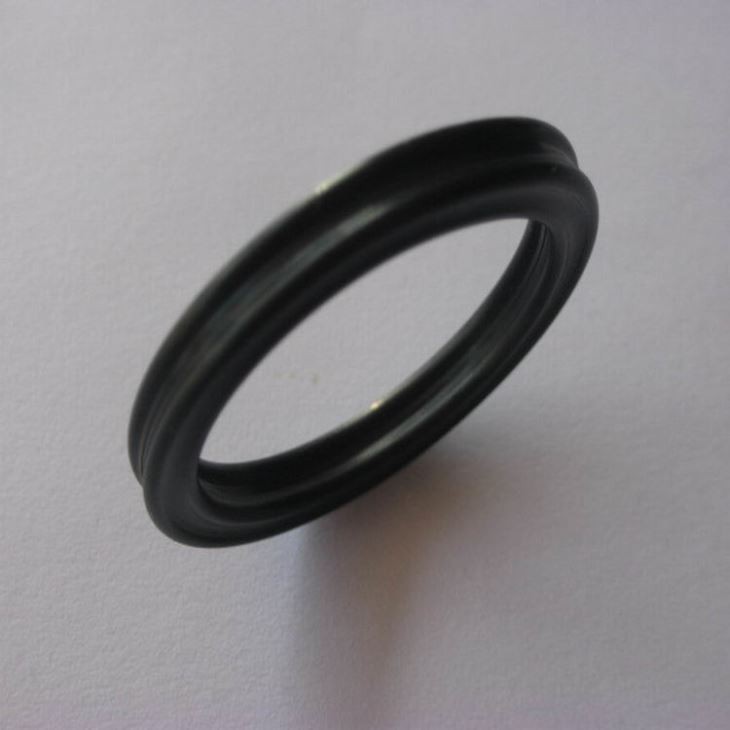
As a supplier of NBR X - Rings, I've witnessed firsthand the growing importance of understanding the environmental impacts of recycling these crucial sealing components. NBR, or Nitrile Butadiene Rubber, X - Rings are widely used in various industries due to their excellent resistance to oil, fuel, and other chemicals, as well as their good mechanical properties. In this blog, I'll delve into the environmental implications of recycling NBR X - Rings, exploring both the positive and negative aspects.
Positive Environmental Impacts of NBR X - Ring Recycling
Conservation of Natural Resources
The production of NBR X - Rings requires significant amounts of raw materials, including petroleum - based chemicals. Recycling NBR X - Rings helps conserve these non - renewable resources. By reusing the existing rubber, we reduce the need for extracting and processing new raw materials. For example, the extraction of crude oil, which is a primary source for NBR production, has numerous environmental impacts such as habitat destruction, water pollution, and greenhouse gas emissions. Recycling NBR X - Rings can mitigate these impacts by reducing the demand for virgin rubber.
Energy Savings
The manufacturing process of NBR X - Rings is energy - intensive. It involves processes like polymerization, compounding, and vulcanization, all of which require a substantial amount of energy. Recycling NBR X - Rings generally consumes less energy compared to producing new ones from scratch. According to research, the energy required for recycling rubber can be up to 80% less than that for manufacturing new rubber products. This energy savings translates into a reduction in greenhouse gas emissions, as most of the energy used in the rubber industry comes from fossil fuels.
Reduction of Landfill Waste
NBR X - Rings that are discarded end up in landfills, where they can take a long time to decompose. Rubber is not biodegradable in a typical landfill environment, and it can take hundreds of years for it to break down. Recycling NBR X - Rings diverts them from landfills, reducing the volume of waste and the associated environmental problems. Landfills are a major source of methane, a potent greenhouse gas that is released during the decomposition of organic matter. By reducing landfill waste, we can help mitigate climate change.
Negative Environmental Impacts of NBR X - Ring Recycling
Chemical Contamination
During the use of NBR X - Rings, they can come into contact with various chemicals and substances. These contaminants can be difficult to remove during the recycling process. For instance, if an NBR X - Ring has been used in an industrial application where it was exposed to heavy metals or toxic chemicals, these contaminants can be carried over into the recycled product. This can limit the potential uses of the recycled NBR and may even pose environmental and health risks if the recycled material is not properly managed.
Recycling Process Emissions
Although recycling NBR X - Rings generally saves energy compared to manufacturing new ones, the recycling process itself is not entirely emission - free. The recycling of NBR involves processes such as shredding, devulcanization, and re - compounding, which can release pollutants into the air, water, and soil. For example, the devulcanization process, which breaks down the cross - links in the rubber to make it recyclable, can release volatile organic compounds (VOCs) and other air pollutants. These emissions can contribute to air pollution and have negative impacts on human health and the environment.
Quality and Performance Degradation
Recycled NBR X - Rings may have reduced quality and performance compared to new ones. The recycling process can cause changes in the chemical and physical properties of the rubber, such as a decrease in strength, elasticity, and resistance to chemicals. This can limit the applications where recycled NBR X - Rings can be used. For example, in high - performance sealing applications, where precision and reliability are crucial, the use of recycled NBR X - Rings may not be suitable. As a result, there may be a need to use a blend of recycled and virgin rubber to achieve the desired performance, which can increase the overall environmental impact.

Challenges and Solutions in NBR X - Ring Recycling
Contamination Management
To address the issue of chemical contamination, it is essential to have a proper sorting and cleaning process before recycling. This can involve techniques such as solvent extraction, washing, and filtration to remove contaminants from the NBR X - Rings. Additionally, implementing strict quality control measures during the recycling process can help ensure that the recycled material meets the required standards.
Emission Reduction
To reduce the emissions associated with the recycling process, advanced technologies can be employed. For example, using closed - loop systems in the devulcanization process can prevent the release of VOCs into the environment. Additionally, the use of renewable energy sources in the recycling facilities can further reduce the carbon footprint of the recycling process.
Quality Improvement
Research and development efforts are needed to improve the quality and performance of recycled NBR X - Rings. This can involve developing new recycling technologies that minimize the degradation of the rubber properties. For example, the use of additives and modifiers during the recycling process can enhance the mechanical and chemical properties of the recycled rubber.
The Future of NBR X - Ring Recycling
The future of NBR X - Ring recycling looks promising, but it also faces challenges. With the increasing awareness of environmental issues and the need for sustainable development, there is a growing demand for recycled rubber products. Governments and industries are also taking steps to promote recycling and reduce the environmental impact of rubber production.
As a supplier of Rubber NBR X Ring and Rubber NBR Y - Ring, I am committed to playing my part in promoting sustainable practices. We are constantly exploring new ways to improve the recycling process of our products and to minimize their environmental impact. For example, we are working on developing more efficient sorting and cleaning methods to reduce contamination in recycled NBR.
In addition, we offer Wear Resistance NBR X - ring products that are designed to have a longer service life, which can reduce the frequency of replacement and ultimately decrease the amount of waste generated. We also encourage our customers to return their used NBR X - Rings for recycling, and we provide incentives for doing so.
Contact for Procurement
If you are interested in purchasing high - quality NBR X - Rings or have any questions about our products and recycling initiatives, please feel free to contact us. We are always ready to discuss your specific requirements and provide you with the best solutions. Whether you need standard or custom - made NBR X - Rings, we have the expertise and resources to meet your needs.
References
- "Rubber Recycling: Technologies, Applications and Sustainability" by X. Zhang and R. J. Farris
- "Environmental Impact of Rubber Manufacturing and Recycling" by the Rubber Manufacturers Association
- "Advances in Rubber Recycling Technologies" by the International Rubber Research and Development Board