

How to replace a seal ring?
Jul 22, 2025
Hey there! I'm a supplier of seal rings, and today I'm gonna share with you how to replace a seal ring. Whether you're a DIY enthusiast or a professional mechanic, this guide will walk you through the process step by step.
Why Replace a Seal Ring?
Before we dive into the replacement process, let's quickly talk about why you might need to replace a seal ring in the first place. Seal rings, like Rubber Oring, are used to prevent the leakage of fluids or gases in various applications. Over time, they can wear out, get damaged, or lose their elasticity due to factors like heat, pressure, chemicals, or just plain old use. When a seal ring fails, it can lead to leaks, which can cause all sorts of problems, from reduced efficiency to equipment damage and even safety hazards. So, replacing a worn or damaged seal ring is crucial to keep your equipment running smoothly and safely.
Tools and Materials You'll Need
- Replacement Seal Ring: Make sure you get the right size and material for your application. You can check out our Colored Standard Rubber Seal O ring and O Ring Seals for a wide range of options.
- Wrenches or Socket Set: To remove and reinstall any bolts or nuts holding the parts together.
- Screwdriver: For removing any screws or fasteners.
- Pliers: To help you remove the old seal ring and install the new one.
- Cleaning Supplies: Like a rag and some cleaning solvent to clean the mating surfaces before installing the new seal ring.
- Lubricant: A small amount of lubricant can make it easier to install the new seal ring and prevent it from getting damaged during installation.
Step-by-Step Guide to Replacing a Seal Ring
Step 1: Prepare the Work Area
First things first, make sure you have a clean and well-lit work area. You don't want any dirt or debris getting into your equipment while you're working on it. Also, gather all the tools and materials you'll need so you don't have to go searching for them in the middle of the process.
Step 2: Turn Off the Equipment
If the equipment the seal ring is in is running, turn it off and let it cool down completely. This is important for your safety and to prevent any damage to the equipment.
Step 3: Remove the Old Seal Ring
- Locate the Seal Ring: Find where the seal ring is located. It could be in a pump, a valve, a hydraulic cylinder, or any other piece of equipment.
- Remove Any Covers or Fasteners: Use your wrenches, socket set, or screwdriver to remove any bolts, nuts, or screws holding the covers or parts in place. Be careful not to lose any of the small parts.
- Carefully Remove the Old Seal Ring: Use your pliers to gently pry out the old seal ring. Be careful not to scratch or damage the mating surfaces. If the seal ring is stuck, you can use a little bit of cleaning solvent to loosen it up.
Step 4: Clean the Mating Surfaces
Once you've removed the old seal ring, use a rag and some cleaning solvent to clean the mating surfaces where the new seal ring will be installed. Make sure to remove any dirt, debris, or old sealant. A clean surface is essential for a good seal.
Step 5: Inspect the Mating Surfaces
While you're cleaning the mating surfaces, take a close look at them for any signs of damage, such as scratches, nicks, or corrosion. If you find any damage, you may need to repair or replace the parts before installing the new seal ring.
Step 6: Install the New Seal Ring
- Check the New Seal Ring: Make sure the new seal ring is the right size and material for your application. It should fit snugly in the groove where the old seal ring was.
- Lubricate the New Seal Ring: Apply a small amount of lubricant to the new seal ring. This will make it easier to install and prevent it from getting damaged.
- Carefully Install the New Seal Ring: Use your pliers to carefully place the new seal ring in the groove. Make sure it's seated properly and there are no twists or kinks.
Step 7: Reassemble the Equipment
- Replace Any Covers or Fasteners: Put the covers or parts back in place and use your wrenches, socket set, or screwdriver to tighten the bolts, nuts, or screws. Make sure to tighten them to the proper torque specification.
- Double-Check the Installation: Before you turn the equipment back on, double-check to make sure everything is installed correctly and there are no loose parts.
Step 8: Test the Equipment
Once you've reassembled the equipment, turn it back on and check for any leaks. If you notice any leaks, stop the equipment immediately and check the installation again. You may need to adjust the seal ring or tighten the fasteners a little more.
Tips and Tricks
- Use the Right Tools: Using the right tools for the job will make the process easier and help prevent damage to the equipment and the seal ring.
- Be Gentle: When removing and installing the seal ring, be gentle to avoid damaging it. A damaged seal ring won't provide a good seal.
- Follow the Manufacturer's Instructions: If you're working on a specific piece of equipment, make sure to follow the manufacturer's instructions for replacing the seal ring.
- Keep Spare Seal Rings on Hand: It's a good idea to keep a few spare seal rings on hand in case you need to replace one in a hurry.
Conclusion
Replacing a seal ring may seem like a daunting task, but with the right tools, materials, and a little bit of know-how, it's something you can do yourself. By following these steps and tips, you can ensure a successful seal ring replacement and keep your equipment running smoothly.

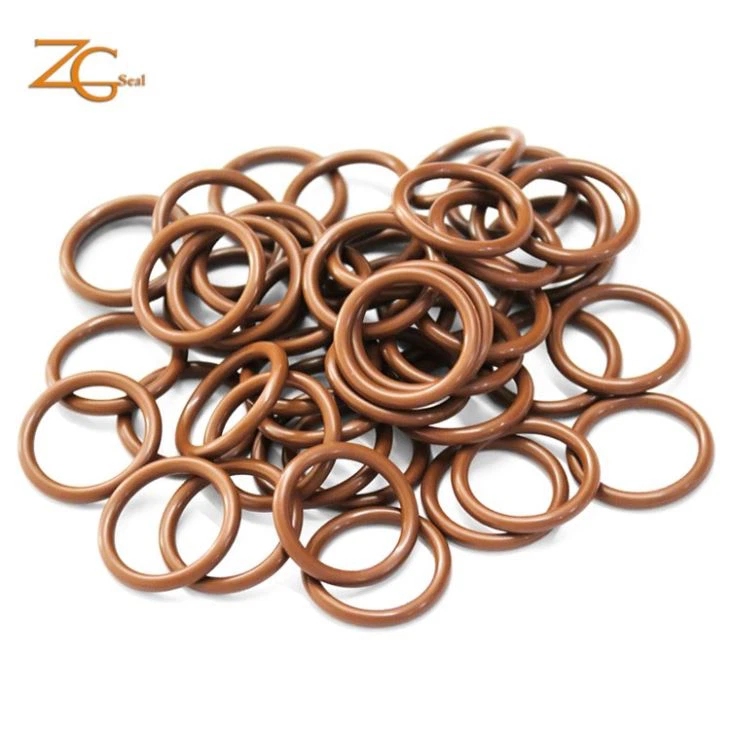
If you're in the market for high-quality seal rings, we've got you covered. Check out our Rubber Oring, Colored Standard Rubber Seal O ring, and O Ring Seals for a wide range of options. If you have any questions or need help choosing the right seal ring for your application, don't hesitate to reach out. We're here to help you with all your seal ring needs. Let's get in touch and start a great business relationship!
References
- General knowledge of seal ring replacement procedures in mechanical and industrial applications.
- Experience as a seal ring supplier dealing with various types of equipment and applications.