

How do I ensure a proper seal with an O ring from the kit?
Oct 14, 2025
As a supplier of O Ring Kits, I understand the critical role that a proper seal plays in various applications. An O ring is a simple yet highly effective sealing solution used in countless industries, from automotive and aerospace to plumbing and manufacturing. Ensuring a proper seal with an O ring from the kit is essential for preventing leaks, maintaining system integrity, and ensuring the smooth operation of equipment. In this blog post, I will share some key tips and best practices on how to achieve a proper seal with an O ring from our kit.
Understanding the Basics of O Rings
Before we dive into the details of ensuring a proper seal, let's start by understanding the basics of O rings. An O ring is a circular gasket made of elastomeric materials such as rubber, silicone, or fluorocarbon. It is designed to fit into a groove and create a seal between two mating surfaces. When compressed, the O ring deforms and fills the space between the surfaces, preventing the leakage of fluids or gases.
The effectiveness of an O ring seal depends on several factors, including the material of the O ring, the design of the groove, the surface finish of the mating parts, and the amount of compression applied. By paying attention to these factors, you can ensure a reliable and long-lasting seal.
Selecting the Right O Ring Material
The first step in ensuring a proper seal is to select the right O ring material for your application. Different materials have different properties, such as chemical resistance, temperature resistance, and hardness. Choosing the wrong material can result in premature failure of the O ring and leakage.
Here are some common O ring materials and their applications:
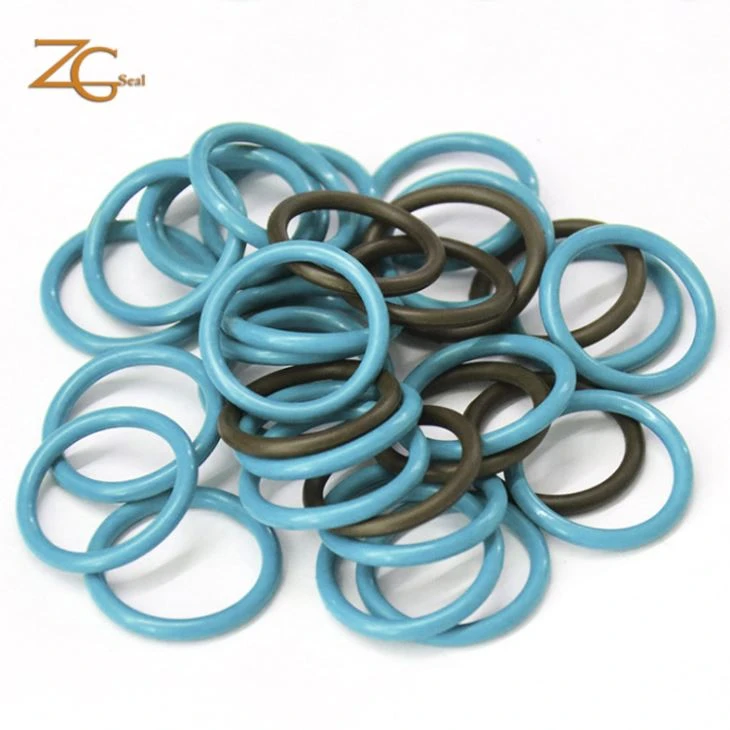
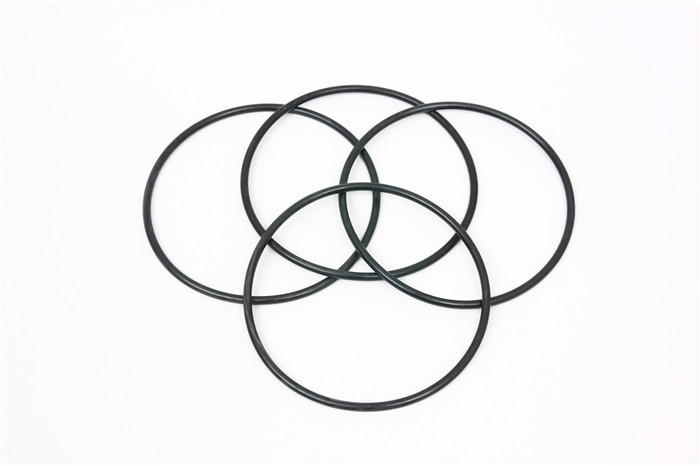
- Nitrile Rubber (NBR): Nitrile rubber is a popular choice for general-purpose applications. It offers good resistance to oil, fuel, and water, and has a wide temperature range. Rubber Nitrile Coating O Ring is a great option if you need a nitrile-based O ring.
- Silicone Rubber (VMQ): Silicone rubber is known for its excellent temperature resistance and flexibility. It is often used in applications where high temperatures or extreme cold are present, such as in automotive engines and aerospace components.
- Fluorocarbon Rubber (FKM): Fluorocarbon rubber offers outstanding chemical resistance and high-temperature performance. It is commonly used in applications where exposure to harsh chemicals or high temperatures is expected, such as in the chemical processing and oil and gas industries.
- Ethylene Propylene Diene Monomer (EPDM): EPDM rubber has good resistance to weather, ozone, and water. It is often used in outdoor applications, such as in plumbing and automotive seals.
When selecting an O ring material, consider the following factors:
- Chemical Compatibility: Ensure that the O ring material is compatible with the fluids or gases it will come into contact with. Check the chemical resistance chart provided by the O ring manufacturer to make the right choice.
- Temperature Range: Consider the operating temperature of your application. Choose an O ring material that can withstand the temperature extremes without losing its sealing properties.
- Hardness: The hardness of an O ring is measured on the Shore A scale. A harder O ring is more resistant to extrusion but may require more compression to create a seal. A softer O ring is more flexible but may be more prone to extrusion. Select the appropriate hardness based on your application requirements.
Designing the Groove
The design of the groove in which the O ring is installed is crucial for achieving a proper seal. The groove should be designed to provide the right amount of compression and support for the O ring. Here are some key considerations when designing the groove:
- Groove Width: The groove width should be slightly wider than the cross-sectional diameter of the O ring. This allows the O ring to expand and fill the groove when compressed.
- Groove Depth: The groove depth should be such that the O ring is compressed by a specific percentage when installed. The recommended compression percentage typically ranges from 15% to 30%, depending on the application and the O ring material.
- Surface Finish: The surface finish of the groove and the mating parts should be smooth and free of scratches or burrs. Rough surfaces can damage the O ring and prevent a proper seal.
- Corner Radius: The corners of the groove should have a rounded radius to prevent the O ring from being cut or damaged during installation.
Preparing the Surfaces
Proper surface preparation is essential for ensuring a good seal with an O ring. Before installing the O ring, clean the mating surfaces thoroughly to remove any dirt, oil, or debris. Use a suitable cleaning agent that is compatible with the O ring material.
In addition to cleaning, the surfaces should be inspected for any damage or imperfections. If the surfaces are scratched or pitted, they may need to be repaired or replaced to ensure a proper seal.
Installing the O Ring
Once the surfaces are prepared, it's time to install the O ring. Here are some tips to ensure a proper installation:
- Lubrication: Apply a thin layer of lubricant to the O ring and the mating surfaces before installation. Lubrication helps to reduce friction and makes it easier to install the O ring without damaging it. Use a lubricant that is compatible with the O ring material.
- Proper Installation Tools: Use the appropriate installation tools to avoid damaging the O ring. Avoid using sharp or pointed tools that can cut or tear the O ring. Instead, use tools such as O ring installation pliers or a rubber mallet.
- Even Compression: Ensure that the O ring is compressed evenly around the entire circumference. Uneven compression can result in leakage. Use a torque wrench or a compression gauge to ensure that the correct amount of compression is applied.
Inspecting the Seal
After installing the O ring, it's important to inspect the seal to ensure that it is working properly. Look for any signs of leakage, such as fluid or gas escaping from the joint. If there is any leakage, check the installation to see if the O ring is properly seated and compressed.
If the seal is not working properly, you may need to adjust the compression, replace the O ring, or check the compatibility of the O ring material with the fluids or gases in the system.
Maintaining the Seal
To ensure the long-term performance of the O ring seal, it's important to maintain the system properly. Regularly inspect the O ring for any signs of wear or damage, and replace it if necessary. Keep the system clean and free of debris, and avoid exposing the O ring to harsh chemicals or extreme temperatures.
Conclusion
Ensuring a proper seal with an O ring from our kit is a multi-step process that requires careful consideration of several factors. By selecting the right O ring material, designing the groove correctly, preparing the surfaces, installing the O ring properly, and maintaining the seal, you can achieve a reliable and long-lasting seal.
If you have any questions or need further assistance with selecting the right O ring for your application, please feel free to contact us for a consultation. We are a leading supplier of high-quality O Ring Seal and Customized Many Color NBR O ring, and we are committed to providing our customers with the best products and services.
References
- Elastomer Seals Handbook, Edited by David A. Dowson
- Sealing Technology, by Paul A. Smith
- O-Ring Handbook, by Eriks Sealing Solutions